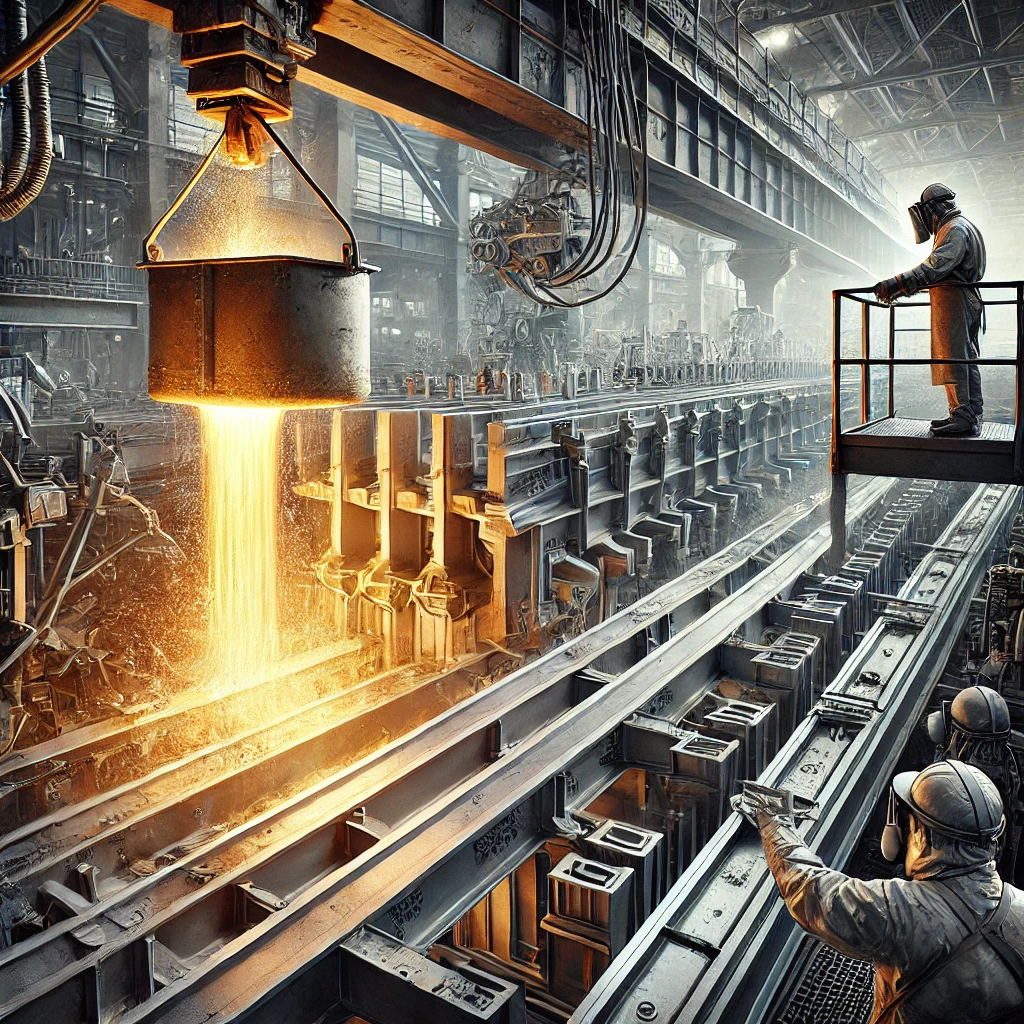
Galvanized coating is a surface treatment process applied to protect metals like steel or iron from corrosion. In this process, the metal surfaces are coated with a thin layer of zinc. Thanks to galvanized coating, the lifespan of metals is extended, and their durability increases. Today, it has a wide range of applications, from industrial production to the construction sector.
Galvanized Coating Definition
Galvanized coating is the process of covering metals such as iron and steel with zinc to extend their lifespan by protecting them. This coating method reduces the risk of rust by preventing the metal from coming into contact with moisture and oxygen in the atmosphere. Metals protected with galvanized coating are ideal for outdoor or humid environments.
Key Features:
- Corrosion Resistance: Protects metals against rust for a long time.
- Cost-Effective: Provides long-lasting protection with minimal maintenance.
- Eco-Friendly: Uses recyclable and non-toxic materials.
- Easy to Apply: Can be applied quickly and easily in mass production processes.
Galvanized Coating Methods
Galvanized coating can be performed using several different methods. The most common methods are:
1. Hot-Dip Galvanizing
In this method, the metal is dipped into molten zinc. As a result, a thick and durable zinc layer forms on the surface. Hot-dip galvanizing is preferred for large construction materials and industrial products.
Advantages:
- Provides a thick and durable coating.
- Offers long-lasting protection.
2. Electro-Galvanizing
Electro-galvanizing involves applying a zinc coating using an electrochemical process. This method produces a thinner coating and is commonly used in the automotive, home appliance, and thin sheet metal industries.
Advantages:
- Creates a thinner and smoother coating.
- Ideal for decorative applications.
3. Thermal Spray Galvanizing
In this method, zinc powder is sprayed onto the metal surface. It is particularly suitable for localized repairs and large structural elements.
Advantages:
- Can be applied on-site.
- Provides a quick and practical solution.
Applications of Galvanized Coating
Galvanized coating is widely used in various industries. Here are the main areas of application:
1. Construction Sector
- Steel structures
- Bridges
- Road and highway barriers
2. Automotive Industry
- Vehicle chassis and body parts
- Exhaust systems
3. Agriculture and Livestock
- Irrigation systems
- Agricultural machinery
4. Home and Garden Equipment
- Fences and railings
- Garden furniture
Advantages and Disadvantages of Galvanized Coating
Advantages:
- Long-Lasting Protection: Can last up to 50 years.
- Low Maintenance Cost: Does not require renewal or repair.
- Easy Inspection: The coating quality can be easily checked visually.
Disadvantages:
- Limited Use on Thin Metals: May not be suitable for some thin metal surfaces.
- High Initial Cost: Initial investment cost can be high.
How is Galvanized Coating Done?
The galvanized coating process is carried out step-by-step as follows:
- Cleaning: Removing grease, dirt, and rust from the metal surface.
- Pickling: Chemically cleaning the surface.
- Fluxing: Preparing the surface for zinc coating.
- Coating: Applying the zinc coating using the chosen method.
- Cooling and Drying: Fixing the coating and cooling the material.
Galvanized coating is an effective protection method that makes metals durable and long-lasting. Widely used in construction, automotive, and industrial production, this coating method offers an economical and eco-friendly solution thanks to its superior rust protection.